
Free trade agreements
In addition to the EFTA Convention and the free trade agreement with the EU, Switzerland currently has a network of 35 free trade agreements with 45 partners. This does not include the most recent agreement with India, as it will not come into force until autumn 2025. Agreements are usually concluded through the European Free Trade Association (EFTA), which also covers Norway, Iceland and Liechtenstein. However, purely bilateral agreements have also been signed with the United Kingdom, Japan, China and the Faroe Islands.
Free trade agreements: The objective
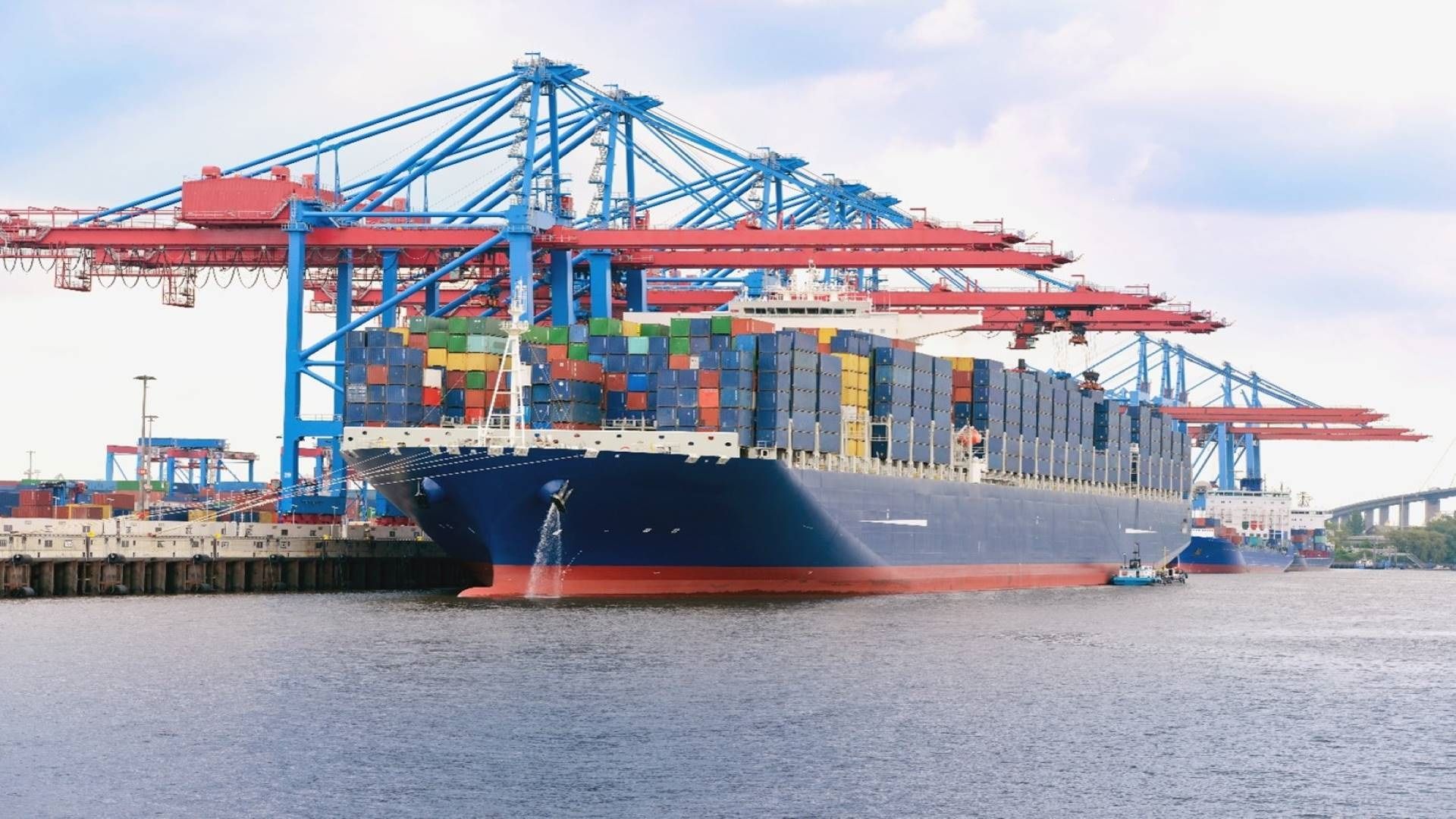
The objective of free trade agreements is to improve international trade and general economic relations between Switzerland and key partners around the world. In particular, these agreements focus on dismantling tariff and non-tariff trade barriers. Tariff trade barriers are primarily customs duties aimed at regulating cross-border trade and protecting domestic production. Non-tariff barriers, meanwhile, consist of very varied measures, including the use of technical product regulations or standards. A free trade agreement covers a range of topics. One of its central components is trade in goods, which also includes agricultural products.
Free trade agreements are becoming more comprehensive
The content of a free trade agreement has evolved over time. The older EFTA free trade agreements with partners in the Euro-Mediterranean region and those with Canada and the Southern African Customs Union (SACU) primarily contain provisions relating to trade in goods (in particular, elimination of customs duties and other trade restrictions) and generally also relating to protection of intellectual property rights. The newer agreements are more comprehensive, usually also including obligations relating to trade in services, investment, public procurement, the environment and labour standards. The aim is to address both economic and social needs.
In the agricultural sector, concessions depend on the product
As EFTA does not have a common agricultural policy, the EFTA countries grant their own concessions to their free trade partners. In a free trade agreement relating to trade in goods, a concession means that a partner is given improved market access – for example, for an agricultural product such as cheese or tomatoes. All Swiss concessions are compatible with Swiss agricultural policy. In the industrial sector, all products have been imported duty-free into Switzerland since industrial tariffs were abolished on 1 January 2024. Tariff reductions are often used alongside free trade in the agricultural sector. In the case of unprocessed agricultural products, tariff reductions are often applied to non-sensitive products such as tropical fruit and to products imported within a WTO tariff quota, which are subject to quantitative restrictions and include products such as meat, fruit and vegetables. In these cases, the trading partner within a WTO quota gains a relative advantage over other countries without a free trade agreement – however, the total import volume does not increase due to the quantitative restriction.
Compensation for differences between Switzerland and other countries in raw material prices for processed products
Switzerland currently levies an import duty on processed agricultural products such as chocolate, baked goods and jams. This consists of a variable component and an industrial protection element. The variable component compensates for Switzerland’s raw material price disadvantage. The background to this is that some raw materials such as milk, butter, cereals and potatoes are produced much more cheaply abroad than in Switzerland. The industrial protection element is usually waived for free trade partners.
Switzerland seeks concessions for its export products
Due to its domestic production, Switzerland has a number of sensitive products. However, in negotiations on new free trade agreements, it also tries to obtain the broadest possible concessions for Swiss agricultural products with high export potential. In the case of basic agricultural products, this primarily applies to dairy products (including cheese), dried meat and pet food, while for processed agricultural products, it applies to beverages (including coffee), chocolate, biscuits and confectionery.
Example
Further information
The FOAG provides a reduced English-language version of its website that does not include all further information such as documents, legislation or links. These can be found on the pages in the three official languages (German, French and Italian).