
Animal breeding
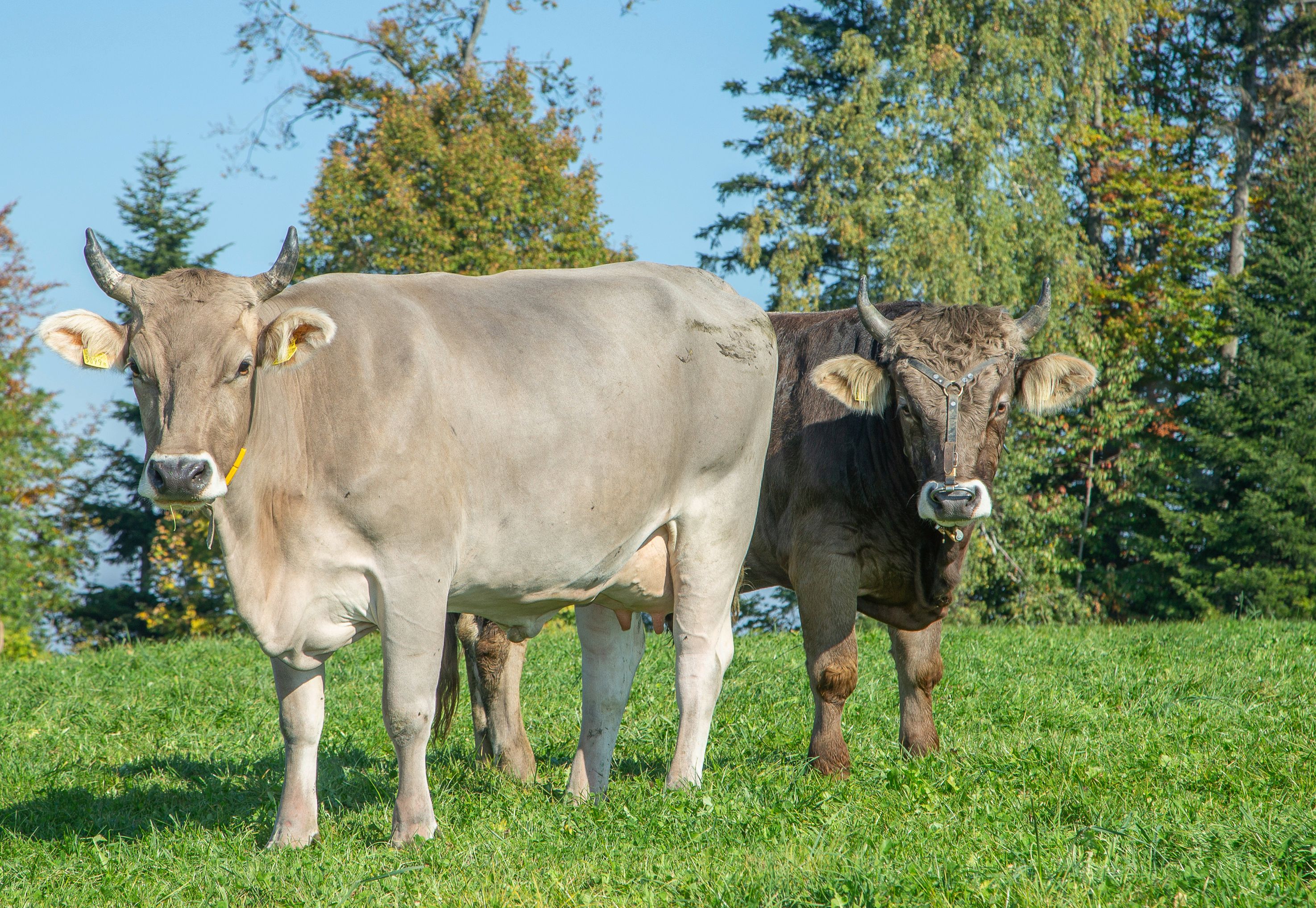
Animal breeding aims to establish desirable traits, such as disease resistance, in the genes of animals. These can then be passed on to offspring and make lasting improvements to the overall population. The federal government provides support to livestock breeding programmes and organisations for this purpose.
_Kuh%20und%20Stier.jpg?rect=0%2C284%2C2949%2C1659&auto=format)
Animal breeding – definition
Animal breeding is the mating of parent animals that possess desirable genetic traits and thus produce better offspring. The difference between the genetic average of the offspring and the parent generation is referred to as breeding progress. Breeders select parent animals on the basis of their genetic merit for various traits, known as breeding value. Breeding organisations estimate breeding values based on extensive data collections and make them available to breeders. These values are the most important tool for achieving the goals of the breeding programme for the breed in question.
Livestock breeding – the role of the federal government
The federal government provides funding for independent Swiss livestock breeding. These funds are used to support activities including:
- Breeding measures such as herd book management and the recording and evaluation of breeding characteristics
- Conservation projects for endangered native breeds
- Research projects
The Federal Office for Agriculture is responsible for implementing these measures. It also approves and oversees breeding organisations.
Conservation of Swiss breeds
Swiss breeds are breeds that originated in Switzerland before 1949 or for which a herd book has been kept in Switzerland since at least 1949.
The federal government provides funding for the conservation of endangered Swiss breeds. A monitoring tool is used to categorise Swiss breeds are categorised as ‘not endangered’, ‘endangered’ or ‘critically endangered’. Special funding is provided for animals of breeds classified as endangered or critically endangered, subject to conditions that promote conservation, such as the production of offspring. Conservation projects and national gene banks are among the other principal measures that the federal government supports for the conservation of endangered Swiss breeds.
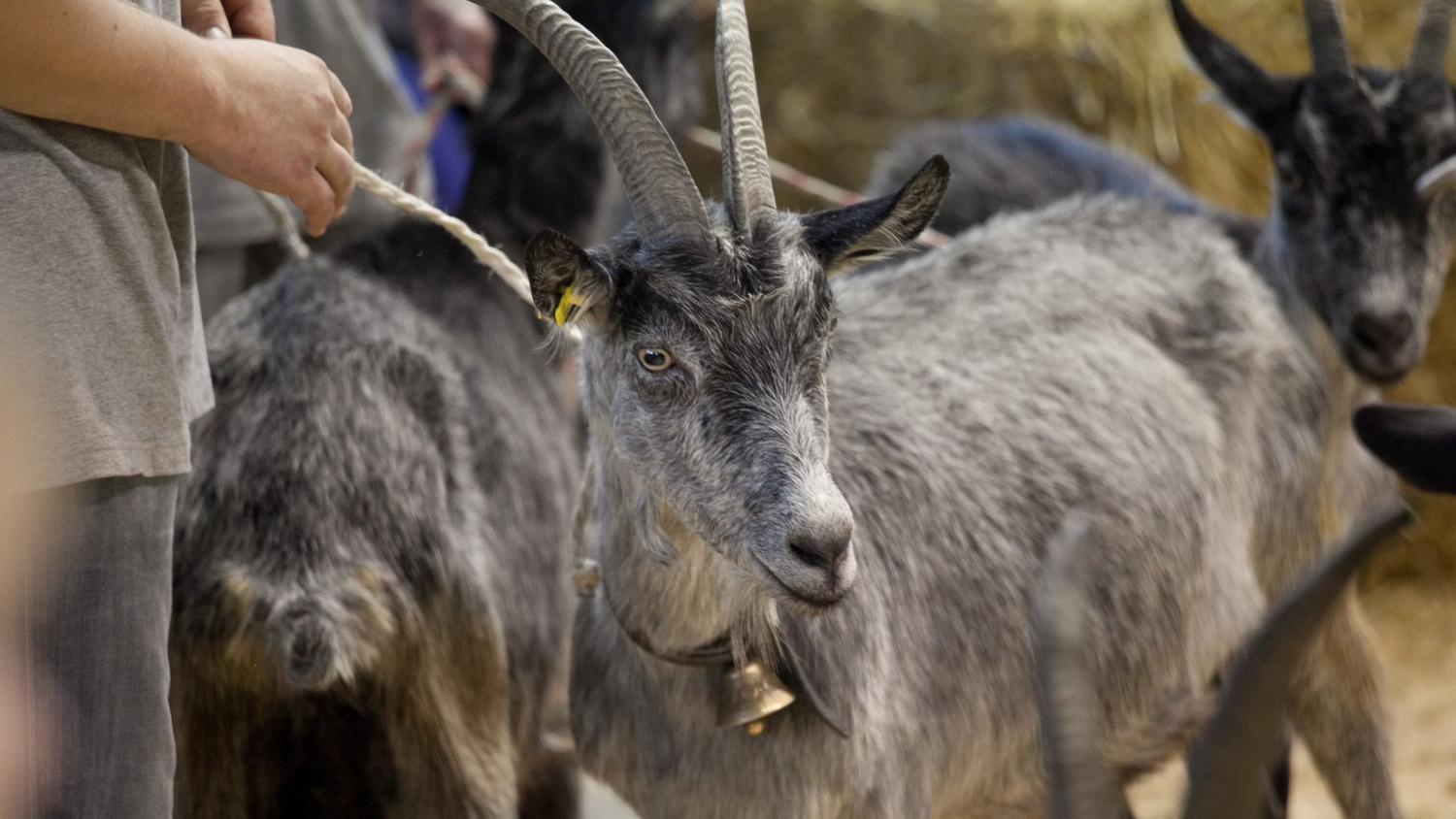
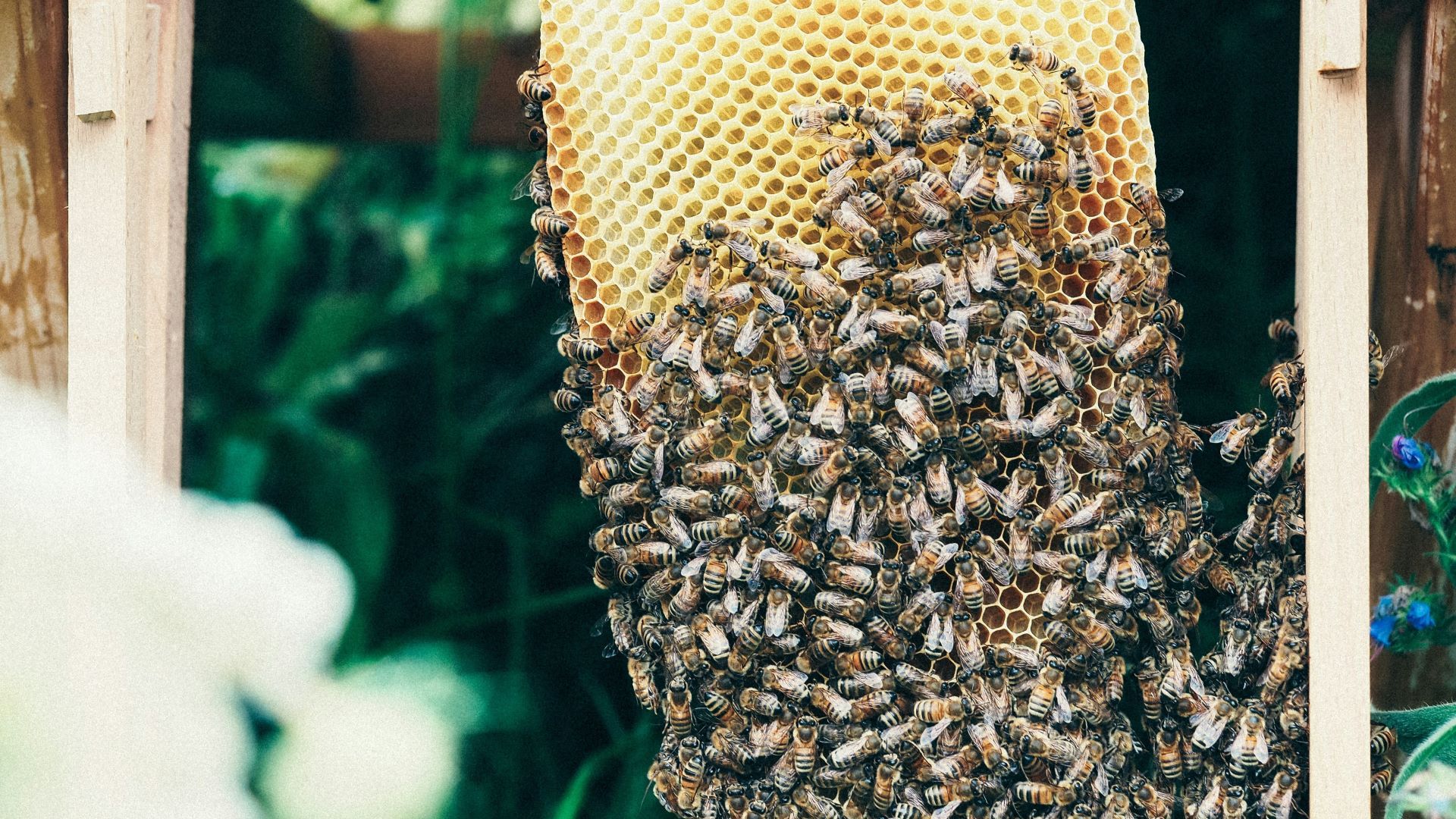
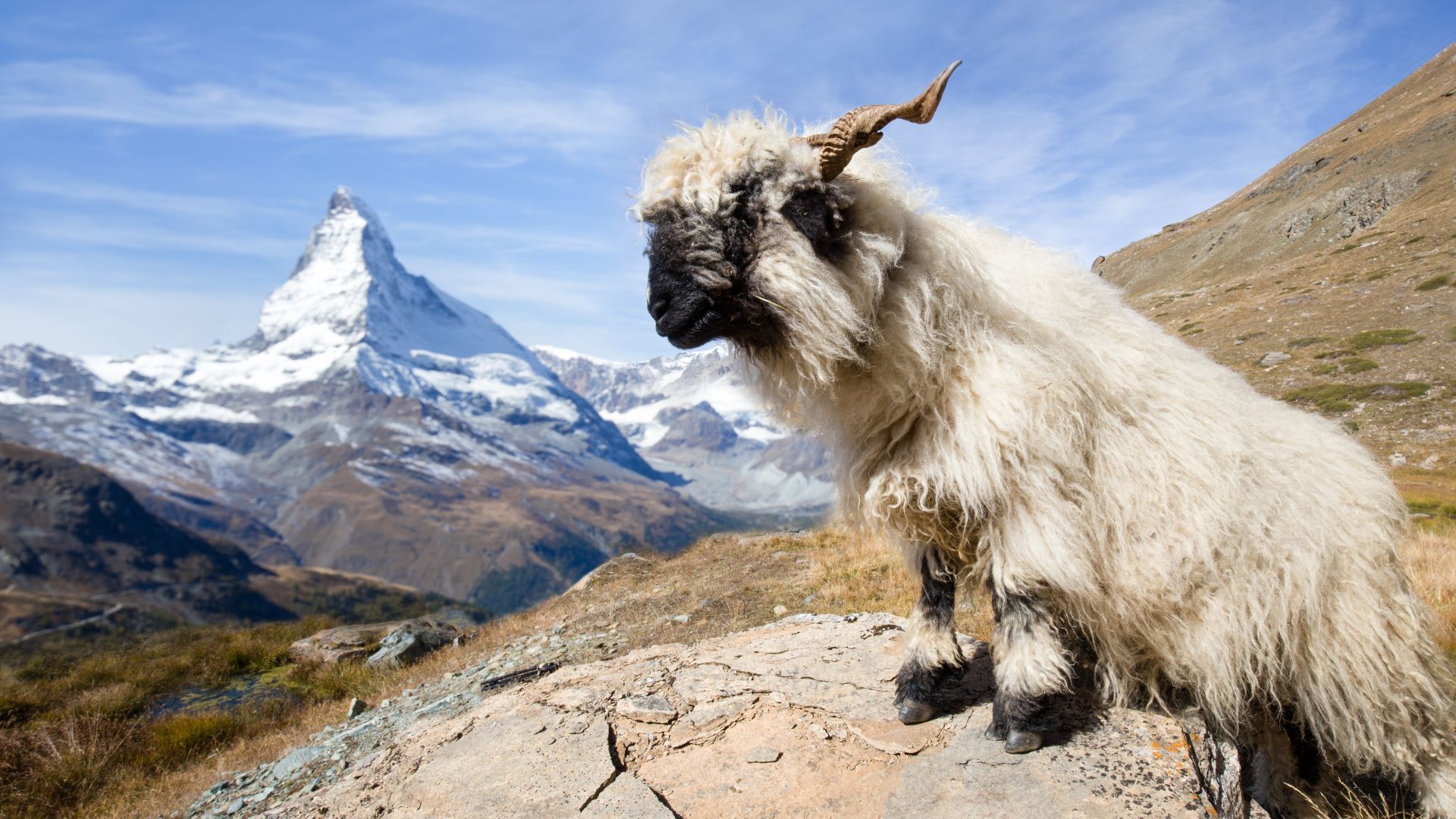
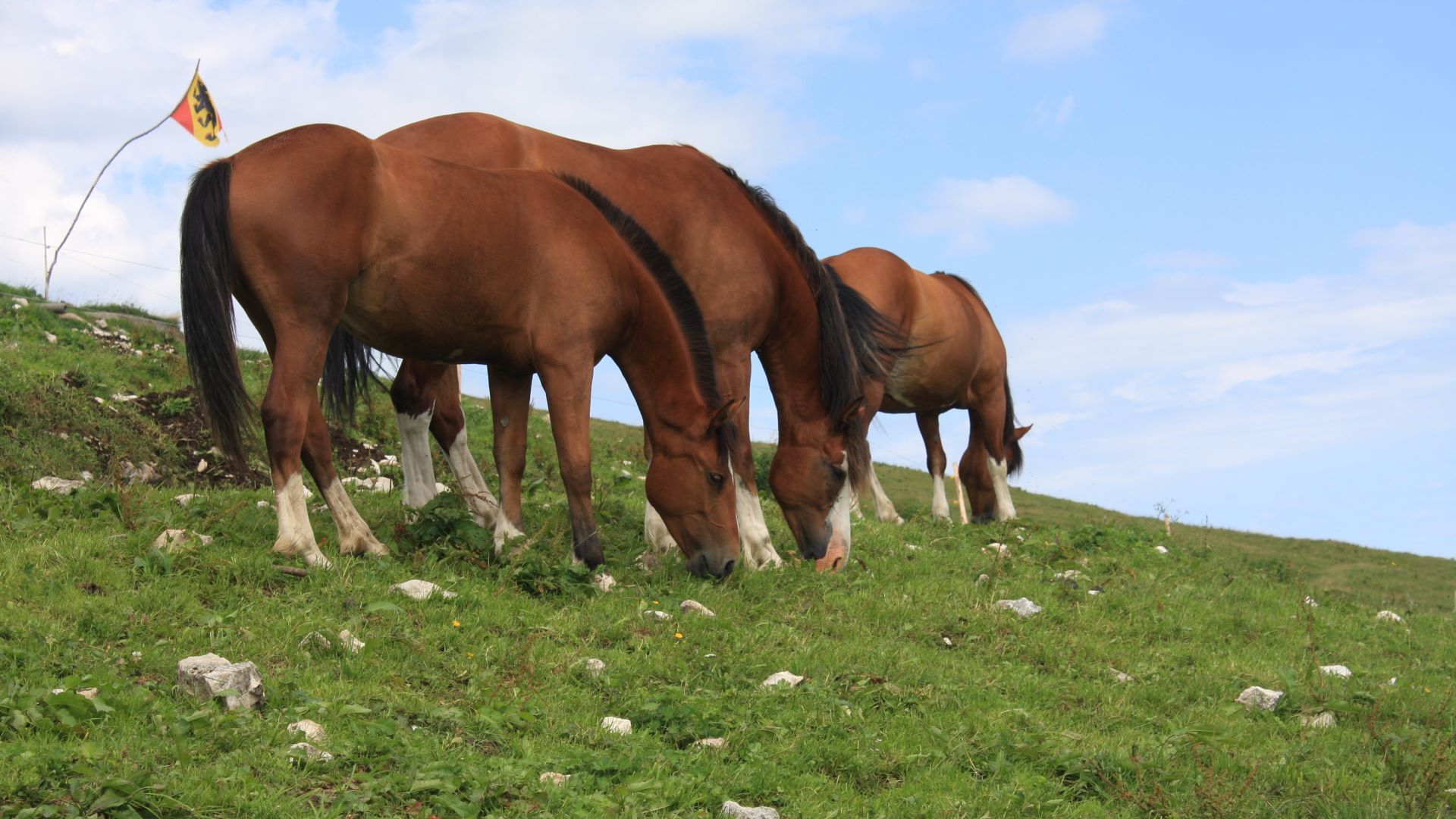
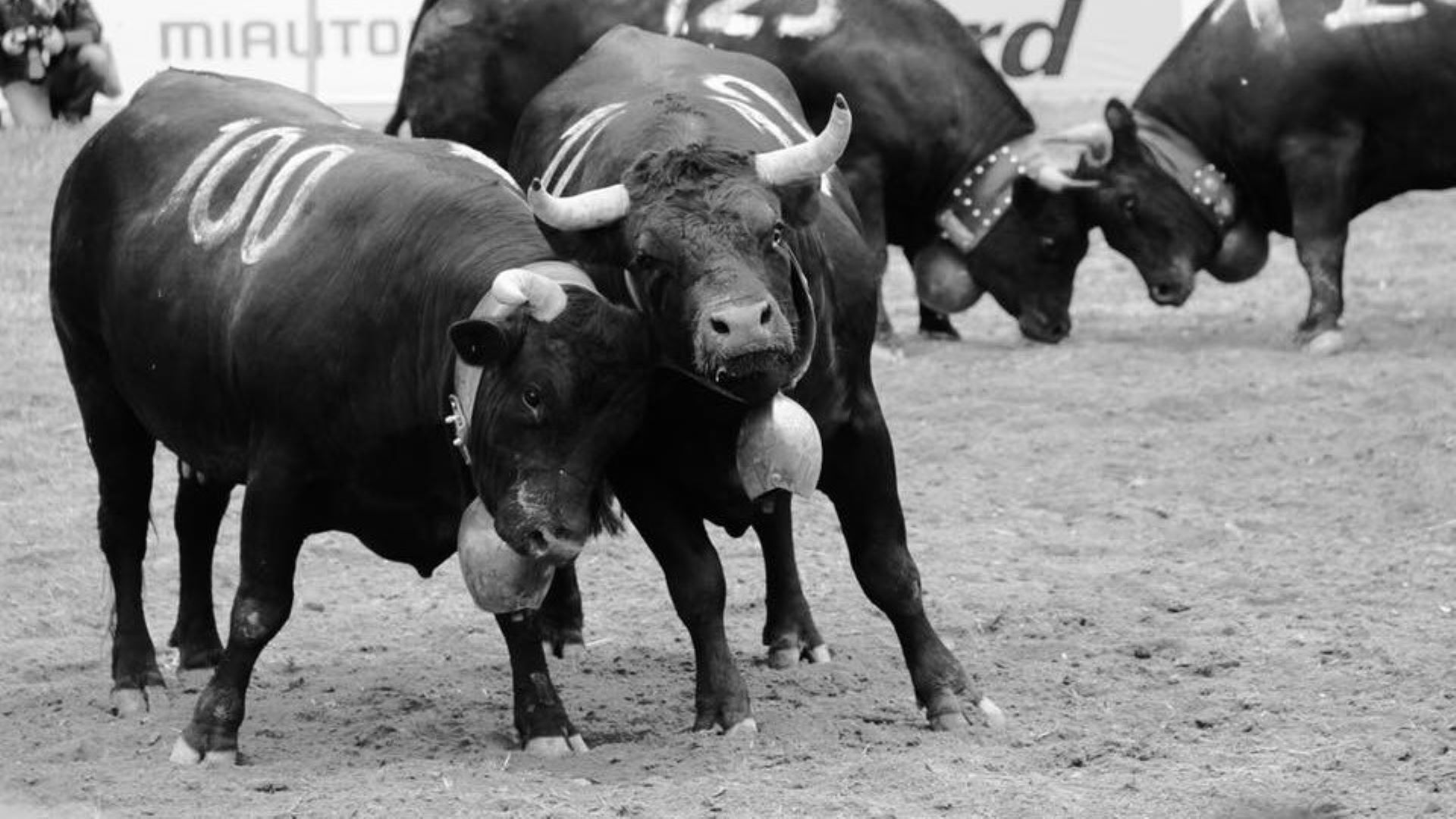
Which breeds are Swiss breeds?
The following list contains the 39 breeds of cattle, pig, sheep, goat, horse, chicken, rabbit and honeybee that are currently considered Swiss breeds.
Almost half of Swiss breeds are currently classified as critically endangered or endangered.
2030 Animal Breeding Strategy
The report on the «2030 Animal Breeding Strategy» was published in 2018 and serves as a basis for the further development of animal breeding legislation. The report explains the scope of animal breeding and the associated legal basis.
Total revision of the Animal Husbandry Ordinance
The Animal Husbandry Ordinance will be completely revised as part of the 2025 agricultural ordinance package, in order to create the legal basis for implementing the 2030 Animal Breeding Strategy. The revised ordinance is to come into effect on 1 January 2026. Further information will be published on this webpage.
International initiatives
At international level, the FOAG is involved in the field of animal genetic resources. This includes active participation in the European Regional Focal Point (ERFP), an association of 45 European countries, as well as in a wide range of UN Food and Agricultural Organization (FAO) commissions and working groups on animal genetic resources.
Financial resources for animal breeding
The federal government provides funding of CHF 37.9 million for animal breeding. Up to CHF 500,000 of this can be used for research and conservation projects and a maximum of CHF 4.75 million to support the conservation of Swiss breeds. The remaining amount is available to fund breeding measures. The payment rates for breeding measures are set out in the Animal Husbandry Ordinance.
Workshops
The Swiss Association for Animal Sciences (SAAS) and the FOAG conducted a workshop on animal genetic resources on 22 April 2026.
Frequently asked questions
Further information
The FOAG provides a reduced English-language version of its website that does not include all further information such as documents, legislation or links. These can be found on the pages in the three official languages (German, French and Italian).
Index
Contact for questions
Animal Products and Breeding
Schwarzenburgstrasse 165
Switzerland - 3003 Bern