
Trade in plants and plant material
If you plan on producing and selling plants and plant material, you need to be aware of important regulations dealing with pests and diseases that can contaminate plants. Particularly dangerous harmful organisms can cause significant damage to agriculture and forestry, horticulture and the environment. Here you can find out what you need to consider when trading in plants. By complying with the legal requirements, you will help to maintain plant health in Switzerland.
The most important information in brief
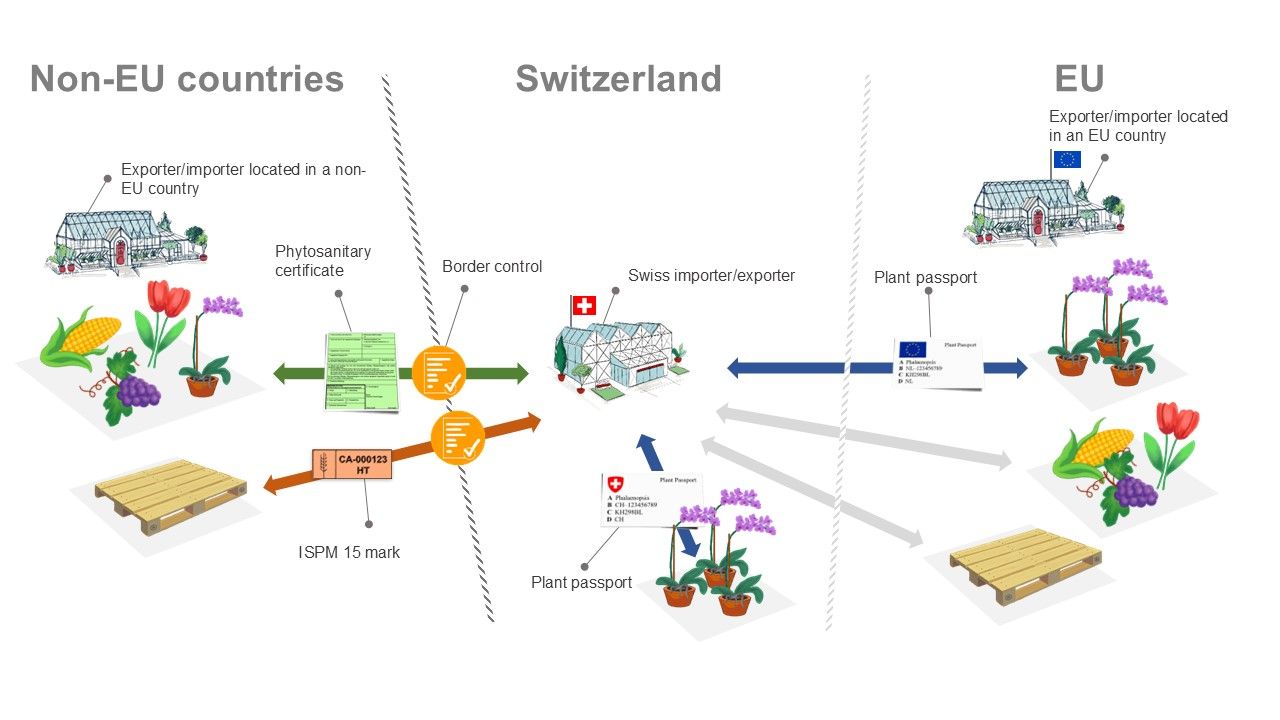
- In many cases, plants traded within Switzerland and the EU must have a plant passport.
- A phytosanitary certificate is required for trade with countries outside the EU.
- The regulations that are in place are intended to prevent the introduction and the spread of dangerous diseases and pests. This is how we protect the health of our plants.
Trade within Switzerland, the EU and Liechtenstein
The bilateral Swiss-EU Agreement on Trade in Agricultural Products provides for a single set of rules for the trade in plants and plant material in Switzerland, the EU and Liechtenstein. This facilitates the trade in plants in this phytosanitary area. For example, there are generally no extensive plant health checks at the borders.
However, the spread of particularly dangerous diseases and pests must also be prevented in this area. Therefore, plants that are traded within Switzerland and the EU must also be free of these harmful organisms.
The plant passport system
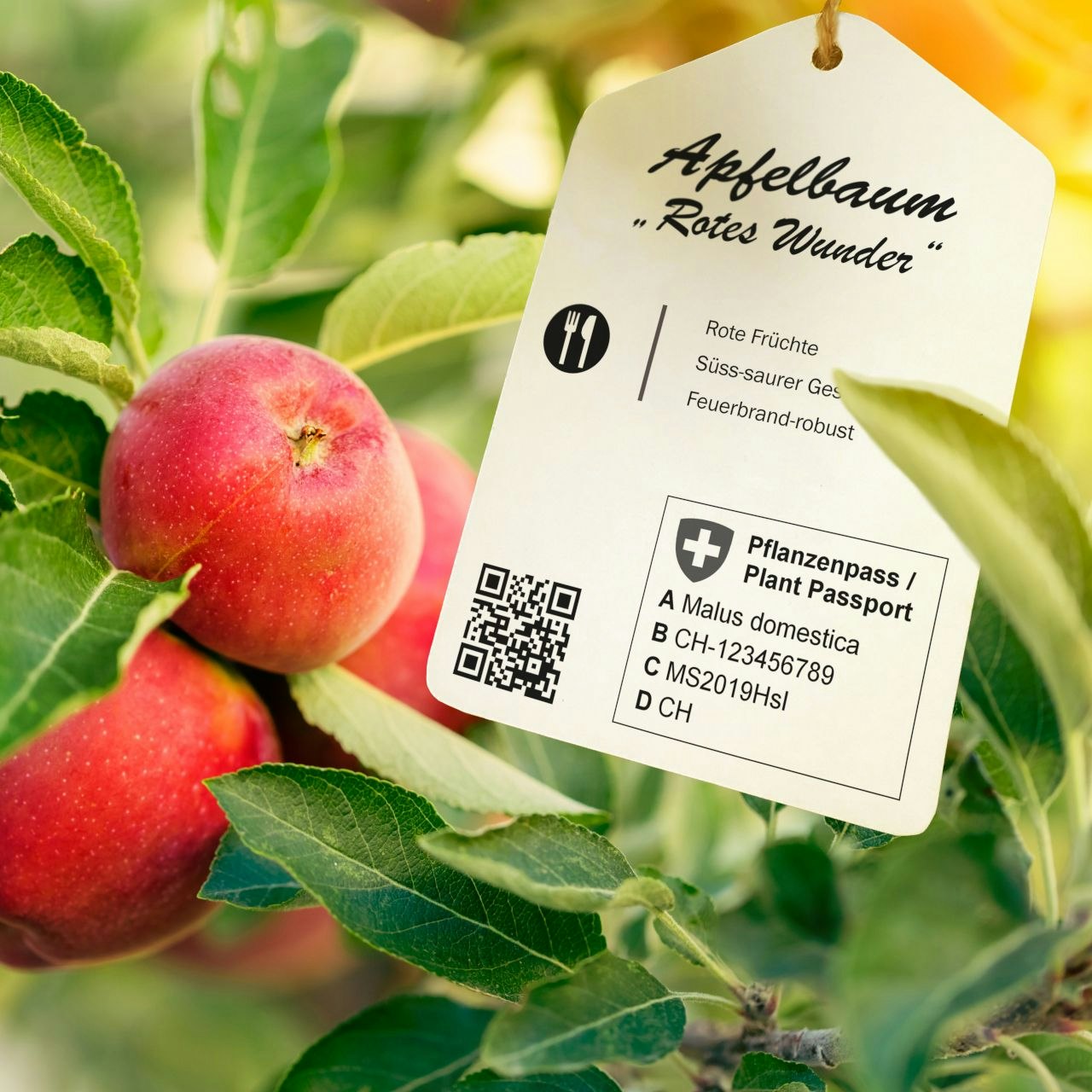
Go to the plant passport system page for additional information about the system and details on when a plant passport is required .
Forest reproductive material
The import of forest reproductive material (web page available in German, French and Italian) requires a permit from the Federal Office for the Environment (FOEN).
Protection of species
The provisions for plant species subject to the Convention on International Trade in Endangered Species of Wild Fauna and Flora (CITES) apply. Information on species protection can be obtained from the Federal Food Safety and Veterinary Office (FSVO).
Trade outside the EU
The plant passport system is limited to Switzerland, the EU and Liechtenstein. Different regulations apply to imports and exports to and from non-EU countries, requiring plant material to be accompanied by a phytosanitary certificate, or prohibiting the import of plant material altogether under certain circumstances.
These regulations are explained on the pages Importing plants and Exporting plants.
Invasive alien plants
As of 1 September 2024, it is illegal in Switzerland to market, sell, gift or rent out certain invasive alien plants including summer lilac, cherry laurel, the Chusan palm and the princess tree. A complete list of these plant species can be found in Annex 2.2 of the Release Ordinance (RO).
Further information on dealing with invasive alien plants (web page available in German, French and Italian)
Further information
The FOAG provides a reduced English-language version of its website that does not include all further information such as documents, legislation or links. These can be found on the pages in the three official languages (German, French and Italian).
Index
Related topics
Contact for questions
Swiss Federal Plant Protection Service SPPS
Schwarzenburgstrasse 165
Switzerland - 3003 Bern