
Variety registration and niche varieties
The Federal Office for Agriculture (FOAG) evaluates plant varieties of the main crop species and registers them in the national variety catalogues and lists. In addition, the FOAG can authorise the propagation and marketing of niche varieties for agricultural use.
National variety catalogue
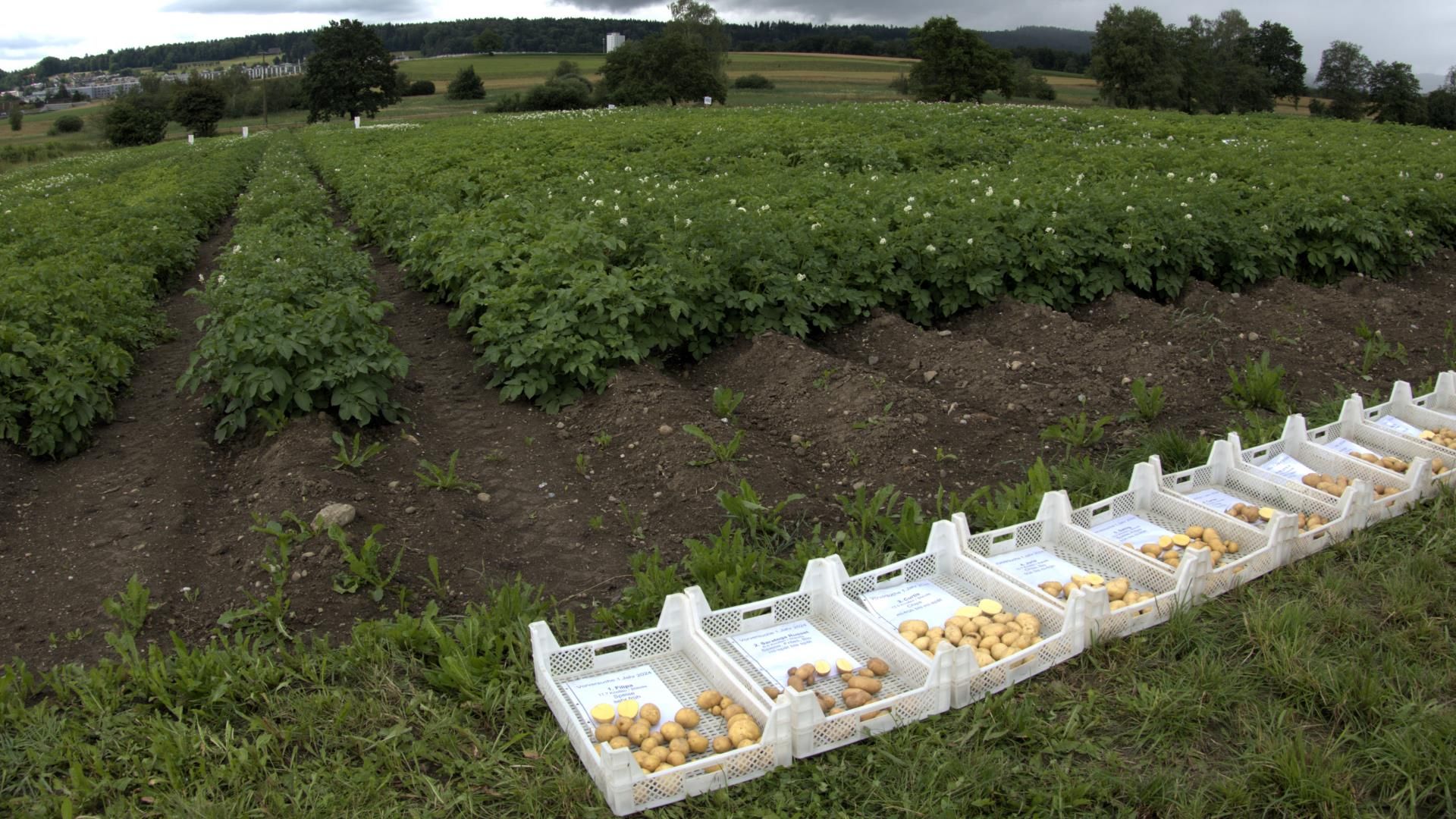
The national variety catalogues contain plant varieties of field crops, fodder crops, and vegetable crops that are authorised for propagation, certification, and marketing. The EU maintains a Common Catalogue of Varieties. This includes the national catalogues of Switzerland. Candidate varieties must successfully undergo technical and agronomic variety testing.
Registered Lists of Fruit and Grape Varieties
For fruit species and grape, the FOAG issues registered lists of varieties that are authorised for certification. Candidate varieties must successfully undergo technical variety testing or be of common knowledge. In addition, each candidate variety must be examined using internationally recognised methods, in particular those of the European and Mediterranean Plant Protection Organisation, with a view to determining whether it or the clone is free from designated harmful organisms.
Technical variety testing (DUS test)

DUS criteria
- Distinctness
- Uniformity
- Stability
Agronomic variety testing (VSCU test)

VSCU criteria
- Yield
- Quality
- Local adaptation and resource efficiency
- Resistance to harmful organisms and plant diseases
Agronomic variety testing is mandatory for arable and forage plant species. Vegetable species varieties do not undergo VSCU testing. Fruit and grape varieties undergo agronomic characterisation by Agroscope, but not as part of the variety registration process.
Niche varieties
The FOAG may authorise the marketing of niche variety seeds and plant propagating material for the conservation and use of plant genetic resources. This process is exempt from variety registration requirements and certification protocols for seed and propagating material. These seeds occupy a niche position in the market thanks to their potential use or because a specified maximum quantity is allowed on the market. The FOAG limits production of niche varieties of arable and forage plant species to ensure that they take up no more than 0.1% of total cultivation area of the species in Switzerland.
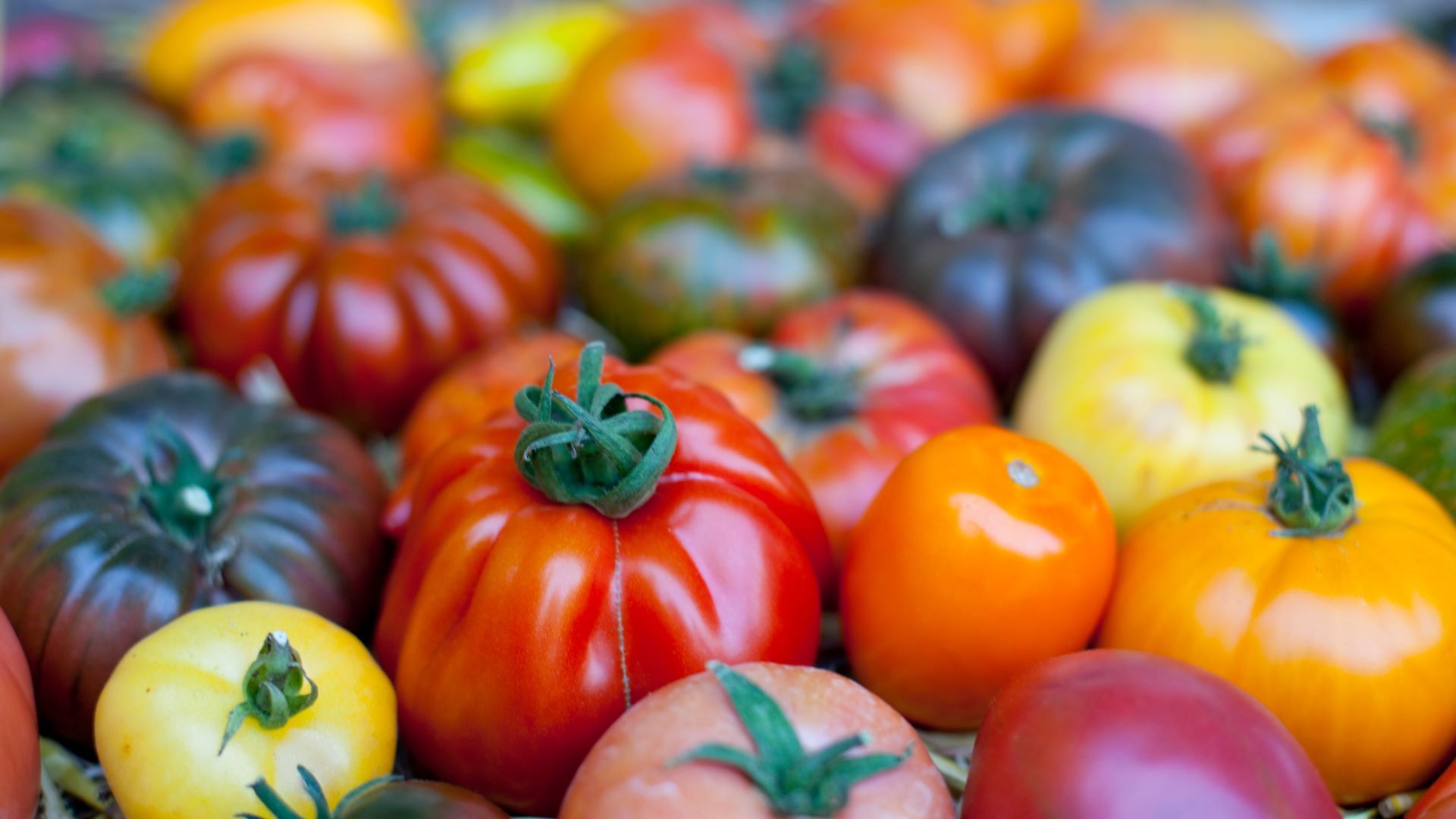
Niche varieties include:
- Local varieties
- Heirloom varieties
- Local ecotypes of forage plants
- Varieties that do not meet the requirements for inclusion in the variety catalogue
Since 1 July 2010, this exception has enabled the FOAG to promote cultivated plant diversity by providing special seeds and plant propagating material to farmers without formal requirements. Traditional local varieties and ecotypes would typically not meet certification standards for uniformity, yield, quality and disease resistance.
Conservation varieties and preservation mixtures in the EU
In the European Union, varieties naturally adapted to regional conditions and threatened by genetic erosion are preserved through similar measures. These varieties, termed conservation varieties, can only be propagated and marketed in defined regions of origin as part of active conservation efforts. They include arable and forage plant species in accordance with Directive 2008/62/EC and vegetable species in accordance with Directive 2009/145/EC. For vegetable species, the regulation extends to new varieties bred for special growing conditions.
Exemptions also exist for forage plant seed mixtures known as preservation mixtures, which serve to maintain genetic resources within natural environments (Directive 2010/60/EC).
Further information
The FOAG provides a reduced English-language version of its website that does not include all further information such as documents, legislation or links. These can be found on the pages in the three official languages (German, French and Italian).
Index
Related topics
Plant variety protection
Plant variety protection is a type of intellectual property right, like patents and trademarks, that specifically concerns commercial protection in plant breeding.
Contact for questions
Swiss Federal Service for Seed and Propagating Material SFSP
Schwarzenburgstrasse 165
Switzerland - 3003 Bern